Since 2015, Virginia Department of Behavioral Health and Developmental Services (DBHDS) and Counter Tools have worked together to build a stronger statewide foundation for tobacco use prevention and control. What began as a project to create a more accurate list of tobacco retailers has evolved into a comprehensive system supporting data-driven policy, interagency collaboration, and community-level advocacy.
At the heart of this decade-long partnership is a shared commitment to reducing tobacco-related health disparities and empowering Virginia communities with the tools and data they need to make meaningful change. Together, DBHDS and Counter Tools have maintained an accurate list of more than 7,000 tobacco retailers, despite the lack of statewide tobacco retailer licensing, supported Virginia’s Synar program to prevent youth access to tobacco, and provided community service boards (CSBs) with the resources to advocate for healthier retail environments.
Below is a look back at the milestones that have shaped this partnership and advanced Virginia’s tobacco prevention and control efforts.
2015
The partnership begins with a statewide ground truthing project to verify tobacco retailer locations. When comparing commercially available data to the ground truthed data, only 18% of the original list proved accurate, highlighting the need for better data to support prevention and enforcement efforts. This work established Virginia’s first reliable tobacco retailer database.
2016 – 2017
DBHDS begins using Counter Tools’ software, Store Mapper and Store Audit Center, enabling them to conduct store assessments and complete merchant education. Through Virginia’s COUNTER ACT campaign, which is completed while a store assessment is conducted, over 2,000 retailers voluntarily committed to reducing in-store tobacco advertising and ensuring compliance with youth access laws.
2018
DBHDS integrates Counter Tools’ Point-of-Sale Toolkit (POST) to standardize data collection across regions. This effort strengthened statewide surveillance and offered clearer insights into the retail landscape influencing tobacco use behaviors.
2019
The partnership expands to include alcohol surveillance, with store assessment data shared with the Virginia Alcoholic Beverage Control Authority to support enforcement efforts. DBHDS continues assessing 100% of tobacco retailers statewide on a two-year cycle, an unmatched level of coverage. Virginia’s minimum legal sales age is increased to 21.
2020 – 2021
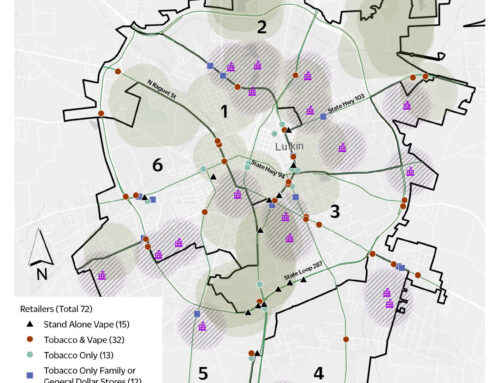
Counter Tools develops custom data visualizations to highlight tobacco retailer characteristics such as product availability, pricing, youth appeal, and retailer density and proximity. Local CSBs received training on effective communication strategies to pair with these visuals, strengthening their ability to educate communities on the importance of reducing tobacco-related disparities.
In addition, Counter Tools and DBHDS expand Virginia’s surveillance efforts by adding questions about the alcohol retail environment to the state’s custom POST assessment form. The alcohol retailer list was refined by consolidating store types from more than 40 categories to 8, improving data quality and enabling more meaningful analysis. This enhanced dataset powered the development of a new dashboard that integrates multiple data sources, including outlet type (on- vs. off-premise), Virginia DMV crash data, and proximity to college campuses, helping CSBs better understand alcohol retailer density and its public health impact.
2022
DBHDS and Counter Tools co-present at the Alcohol Policy Conference in Arlington, VA, sharing how GIS mapping and density analyses inform both alcohol and tobacco prevention efforts across the state.
2023
New POST questions are added to the store assessment form on lottery products through talks with the problem gambling prevention coordinator at DBHDS. Support for CSBs continues through the use of POST to maintain an accurate, up-to-date retailer list, which is critical in the absence of statewide tobacco retailer licensing.
2024 – 2025
Over 6,000 store assessments are analyzed to update statewide infographics on the retail landscape. Collaboration expands to include partners from problem gambling prevention and Virginia Commonwealth University, enhancing the Store Mapper to include locations selling gambling products and documenting nearby daycare centers. Counter Tools also delivers a webinar on zoning and density strategies to support communities considering local ordinances following the passage of HB 94. Additional collaboration with the Office of Hemp Enforcement leads to new POST questions capturing data on hemp-derived cannabis products.
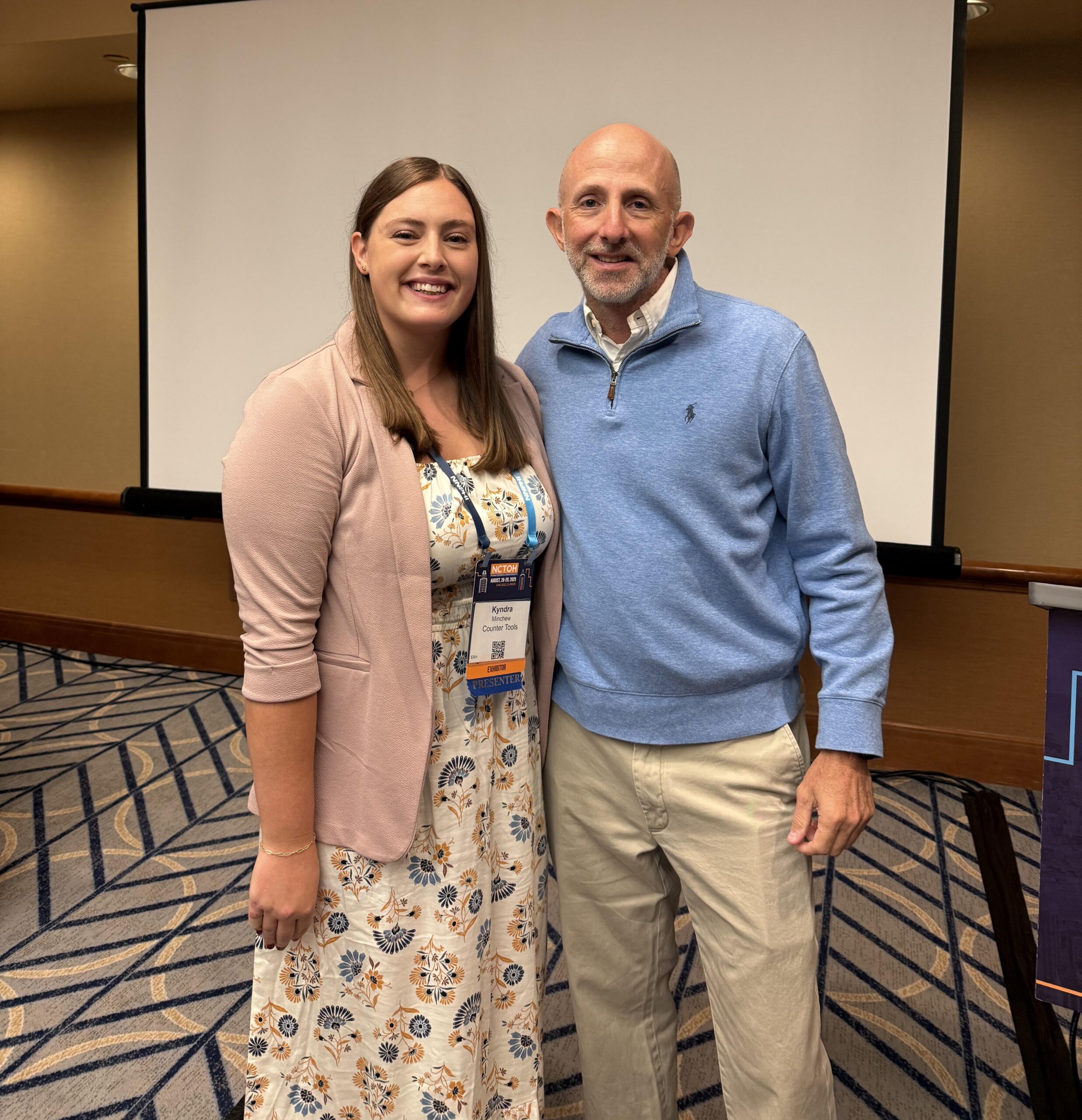
To continue supporting the Synar program in Virginia, Counter Tools provides maps for each of the CSBs to conduct the Synar coverage study and calculates the overall coverage rate for Virginia. The year culminates with a joint presentation at the National Conference on Tobacco or Health in Chicago, showcasing Virginia’s innovative approach to healthy retail strategies.
Hear what DBHDS has to say
Behavioral Health Wellness Consultant J.D. Carlin shares his reflections on DBHDS’ work with Counter Tools:
How are you using the store assessment data?
DBHDS uses the store assessment data in a variety of ways including:
- Maintaining accurate retailer lists;
- Supporting enforcement and compliance efforts;
- Guiding merchant education and retailer engagement;
- Providing data-driven insights to policy and decision-makers;
- Supporting community-level efforts to impact their local landscape; and
- Expanding education and assessment efforts to include new public health issues.
Biggest impact from our partnership?
Gosh, is there only one! Likely, the biggest impact is that our partnership allows us to create a comprehensive, data-driven statewide system that strengthens tobacco (and other public health issues) prevention efforts while also reducing health disparities.
What do you look forward to as our partnership continues to grow?
DBHDS looks forward to expanding prevention efforts in a variety of ways. Three that will be a focus are how we assess additional products and public health issues; what more advanced mapping, dashboards and analytics can do for our use of data; and what we can do to provide additional support for local efforts.
Looking Ahead
Over the past decade, the Virginia Department of Behavioral Health and Developmental Services–Counter Tools partnership has built a model for how data, technology, and community engagement can work together to drive tobacco prevention and control. The work continues to inform public health strategies, strengthen partnerships, and inspire local action to create healthier communities across Virginia.
We are proud of all that’s been accomplished together and look forward to continuing the fight against tobacco industry influence in the years ahead.